
Last updated: June 2026 — by LUCKI DECO, who uses 4K sublimation printing on 260 GSM microfibre for all custom anime blankets.
Not all custom anime blankets are made the same way. The difference between a £15 printed blanket from a generic marketplace and a quality custom anime blanket comes down entirely to printing technology. Understanding how sublimation printing works — and why “4K” specifically matters for anime character art — helps explain both the quality difference and the price premium.
Why the Printing Process Matters for Anime Art
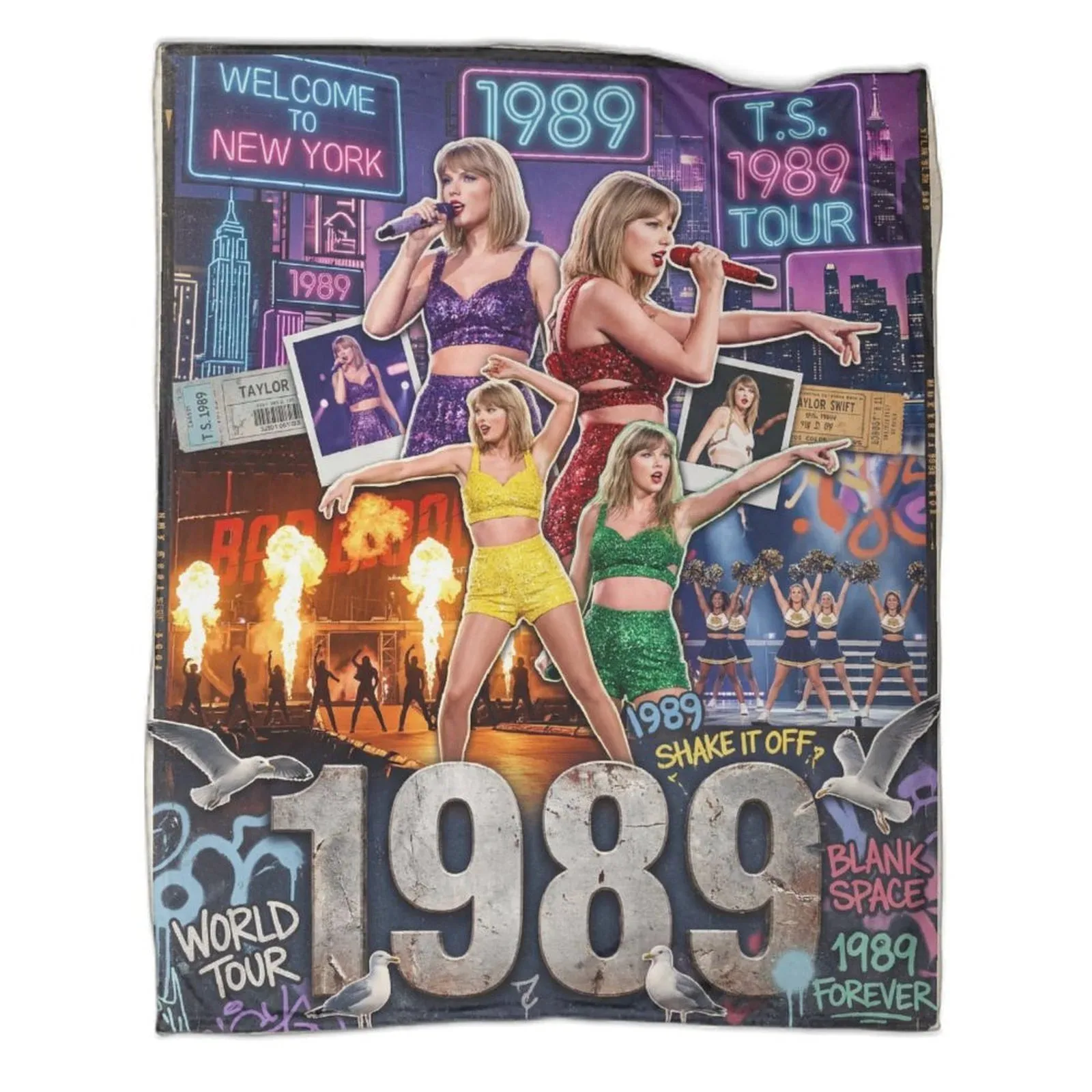
Anime character art contains visual complexity that most commercial printing processes struggle with: hair strands at sub-millimetre scale, gradient energy effects that transition through dozens of colour steps, facial detail that needs to remain legible at normal viewing distance even at 150cm × 200cm+ scale. Capturing all of this accurately requires high-resolution printing — specifically, a process that can bond colour permanently at 300+ dots per inch across a 1.5-metre × 2-metre surface.
What Is Sublimation Printing?
Sublimation printing is a heat-transfer process in which specially formulated dye is first printed onto paper, then transferred directly into polyester fabric using a heated press (typically 180–205°C). At this temperature, the polyester fibres open, the dye converts from solid to gas (sublimes), and the gas bonds directly into the fibre structure. When the fabric cools, the fibres close around the dye, locking it permanently into the material. The result is that the colour is inside the fabric — not printed on top of it as with screen printing or iron-on transfers. This is why sublimation-printed blankets don’t peel, crack, or fade the way screen-printed alternatives do — there is literally no surface layer to degrade. The dye has become part of the fabric itself.
Why Sublimation Requires Polyester
Sublimation dye only bonds to synthetic (polyester) fibres. Cotton, wool, and linen fibres don’t open at sublimation temperatures — the dye can’t penetrate, sits on the surface, and washes out within a few cycles. This is why every quality custom anime blanket is 100% polyester.
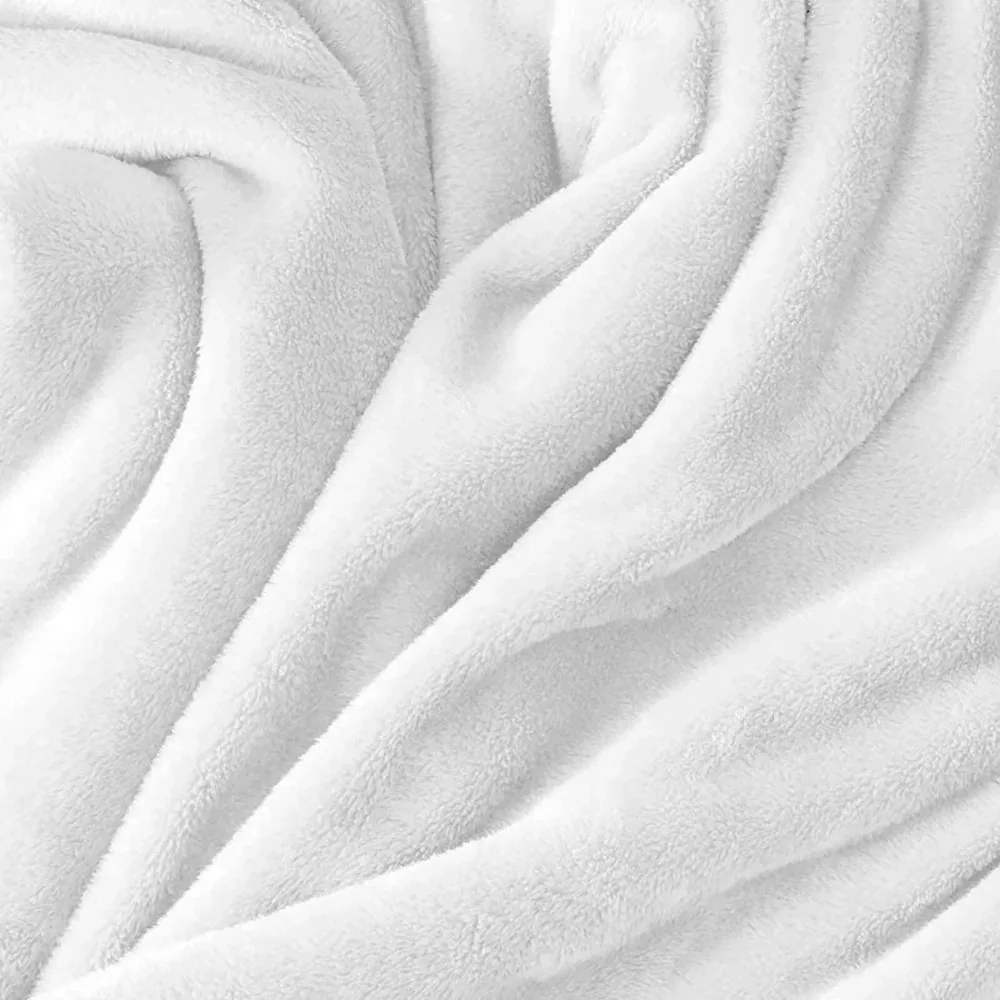
LUCKI DECO uses 100% polyester microfibre at 260 GSM (grams per square metre) — the specification that balances print quality, feel, and durability for blanket use. The smooth microfibre weave creates a near-photographic printing surface. The 260 GSM weight gives the blanket a substantial feel without becoming heavy.
More about material choice: Fleece vs Microfibre vs Sherpa comparison →
What Does “4K” Mean for a Blanket?
“4K” in the context of custom anime blanket printing refers to the print resolution — specifically the DPI (dots per inch) at which the image is printed onto the sublimation transfer paper before heat pressing. Standard commercial textile printing operates at 150–200 DPI. 4K-equivalent sublimation operates at 300+ DPI.
| Resolution Level | Approximate DPI | Best For |
|---|---|---|
| Standard screen print | 150–200 DPI | Text, logos, simple graphics |
| High quality photo print | 200–300 DPI | Photographs, product images |
| 4K sublimation | 300+ DPI | Complex anime art, fine linework |
For anime character art specifically, the jump from 200 DPI to 300+ DPI is visible in: individual hair strand definition, gradient colour transitions (sky backgrounds, energy auras, water effects), small text and symbols in design backgrounds, and facial detail at normal viewing distance.
Step-by-Step — How LUCKI DECO Makes a Custom Anime Blanket
Step 1: Digital Art File Preparation
Each design begins as a high-resolution digital art file. Characters are prepared at the exact final blanket dimensions — 150×200cm, 200×200cm, or 220×240cm — at 300+ DPI to prevent any scaling artifacts. The file is colour-matched to reproduce accurately on the polyester substrate.
Step 2: Sublimation Transfer Printing
The design is printed onto sublimation transfer paper using sublimation inks (water-based dyes that convert to gas under heat). This paper is the intermediate — it holds the design until heat transfer.
Step 3: Preparing the 260 GSM Microfibre Blank
The blank polyester fabric is cut to the final dimensions. The 260 GSM specification — heavier than the industry-standard 200 GSM — is selected for the combination of surface quality (smooth enough for high-resolution print), weight (substantial without being heavy), and softness (microfibre at this weight is silky against skin).
Step 4: Heat Press at 200°C
The transfer paper is placed face-down on the fabric under a commercial heat press. At 200°C and high pressure for 60–90 seconds, the sublimation dye converts to gas and bonds into the open polyester fibres. This step is irreversible — once the dye is inside the fibres, it cannot be removed without destroying the fabric.
Step 5: Cooling and Quality Check
After pressing, the fabric cools and the fibres close around the bonded dye. The transfer paper is removed. LUCKI DECO inspects each blanket for colour accuracy, registration (alignment), and any print defects before packaging.
Step 6: Finishing and Dispatch
Edges are serged or hemmed. The blanket is folded, quality-checked, and shipped. Total production time from order: 3–5 business days.
Why Sublimation Lasts — Print Longevity
Because sublimation dye is inside the polyester fibres, it behaves like part of the fabric — not a surface coating. This creates fundamentally different longevity compared to screen printing:
| Condition | Sublimation (LUCKI DECO) | Screen Print / Iron-On |
|---|---|---|
| 50 washes at 30°C | No visible colour change | Significant fading |
| Indirect sunlight (typical bedroom) | Minimal fading over years | Noticeable fading within months |
| Stretching / flexing | Colours remain fully intact | Surface layer cracks/peels |
| Surface abrasion | No peeling possible | Peeling at print edges |
The primary risk for sublimation prints is direct UV exposure (outdoor use, direct sunlight through a window). For indoor use — which is the normal use case for anime blankets — sublimation colours maintain their quality indefinitely under normal washing conditions.
Made to Order — Every Blanket Is Printed Fresh
LUCKI DECO prints each blanket to order when you purchase — nothing is warehoused pre-printed. This means the colours at the moment of delivery are exactly as the design specifies — not faded by months of storage under warehouse lighting. It also means 3–5 business days of production time between order and dispatch.
This is the normal model for quality custom print-on-demand manufacturing. It’s why “custom” means genuinely custom — not a selection from a pre-printed batch.
Frequently Asked Questions
Will the anime art on my blanket fade?
Sublimation dye bonds inside the polyester fibres — it won’t fade with normal washing at 30°C. Avoid bleach, fabric softeners, and temperatures above 40°C. The primary risk is extended direct UV sunlight (keep out of direct sun if possible).
Is 4K sublimation better than screen printing for anime art?
Yes, significantly. Screen printing has a resolution ceiling of approximately 150 DPI and uses surface-layer dye that fades and cracks. 4K sublimation at 300+ DPI bonds colour inside the fibres permanently and reproduces fine anime character art accurately — including hair detail, gradient effects, and facial complexity that screen printing cannot achieve.
How long does a LUCKI DECO custom anime blanket take to produce?
3–5 business days production + approximately 10 business days standard delivery across the UK and Europe. Total from order to arrival: approximately 13–15 business days.
What if I receive a blanket with a print defect?
LUCKI DECO provides replacement guarantees for any production defect (colour misregistration, missing detail, banding, white patches). Contact us within 30 days with a photograph of the defect — we replace at no cost.
— Browse all custom anime blankets at LUCKI DECO →
Quick Answers
What is 4K sublimation printing?
A process where dye is vaporised into polyester fibres under high heat, becoming part of the fabric itself. The result is photographic 4K detail with zero change to the fabric’s softness.
Will a sublimation print crack or peel?
No. Unlike vinyl or screen prints that sit on the surface, sublimation dye lives inside the fibre — it cannot crack, peel or rub off.
How should I wash a sublimation-printed blanket?
30°C gentle cycle, no bleach, tumble dry low. Cared for this way, the print stays as vivid as day one for the life of the blanket.